

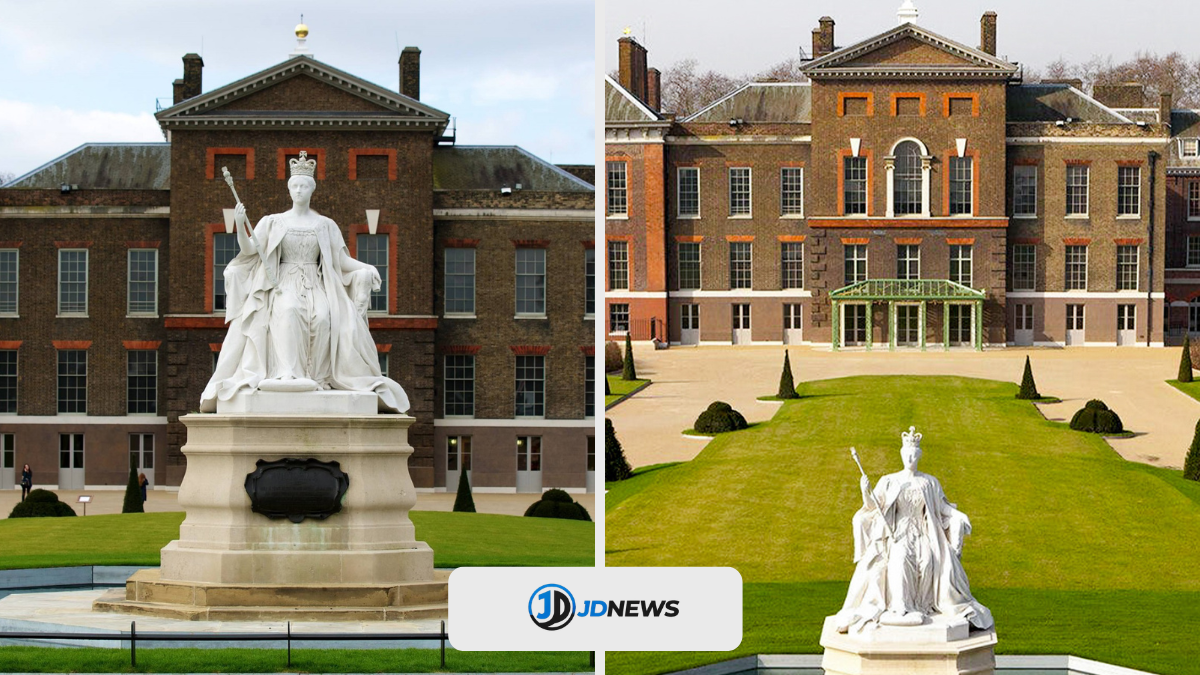
Few landmarks capture the spirit of British royal history as vividly as Kensington Palace. Nestled beside the lush greenery of Kensington Gardens in West London, this historic residence has served as both a royal home and a symbol of evolving monarchy for more than three centuries. From its transformation during the late 17th century to its role in modern royal life, the palace stands as a living testament to Britain’s architectural heritage and royal traditions.
Today, Kensington Palace is more than a historic building. It represents the intersection of royal legacy, public fascination, and cultural storytelling. Visitors explore its grand rooms to understand the lives of kings, queens, princes, and princesses who once walked its corridors, while historians continue uncovering the layers of meaning embedded in its walls.
The enduring appeal of Kensington Palace lies in its ability to bridge centuries. Within its gates, stories of political intrigue, artistic innovation, royal ceremonies, and personal triumph unfold, making it one of the most fascinating royal residences in the United Kingdom.
The Origins and Early Development of Kensington Palace
The story of Kensington Palace begins in the late 1600s, when a modest country house known as Nottingham House stood on the edge of what was then rural London. In 1689, King William III and Queen Mary II purchased the property seeking cleaner air away from the crowded and polluted city center. Their decision would transform the quiet estate into a royal residence with enduring historical importance.
Architect Sir Christopher Wren was commissioned to expand the house into a palace suitable for royal living. Under his direction, Nottingham House evolved into Kensington Palace, featuring elegant courtyards, formal gardens, and grand reception rooms. The expansion marked the beginning of the palace’s long association with the British monarchy and set the stage for centuries of royal life.
Royal Residents and Their Historical Influence
Over the centuries, Kensington Palace has been home to numerous influential members of the British royal family. During the 18th century, it served as the primary residence for several monarchs including King George I and King George II. Political decisions, diplomatic meetings, and royal celebrations took place within its stately halls.
Later generations continued the tradition of royal residence. Queen Victoria was born in the palace in 1819 and spent her childhood there before ascending the throne. In modern times, the palace has remained a residence for members of the royal family, reinforcing its position as a center of both historical and contemporary royal life.
Architectural Design and Artistic Heritage
The architecture of Kensington Palace reflects a blend of Baroque elegance and classical British design. Sir Christopher Wren’s expansions introduced symmetrical facades, red brick exteriors, and ornate interiors that balanced grandeur with residential comfort. These design choices established a style that influenced later royal buildings across Britain.
Inside the palace, decorative artistry plays a central role. Painted ceilings, elaborate fireplaces, and intricate woodwork reveal the tastes of different royal occupants. Rooms such as the King’s State Apartments showcase impressive murals and architectural details that communicate power, prestige, and artistic ambition.
The Gardens and Surrounding Landscape
Kensington Gardens forms an integral part of the palace’s identity. Originally part of Hyde Park, the gardens were separated and redesigned to create a royal landscape filled with tree-lined avenues, ornamental ponds, and carefully arranged flowerbeds. The gardens were intended to provide both beauty and privacy for royal residents.
Over time, the gardens evolved into one of London’s most beloved green spaces. Today visitors can stroll along paths once used by monarchs, admire statues and fountains, and experience the tranquil atmosphere that has surrounded Kensington Palace for centuries.
Kensington Palace in the Age of Queen Victoria
The early life of Queen Victoria is closely tied to Kensington Palace. Born in the palace in 1819, she spent much of her childhood within its walls under strict supervision from her mother and advisors. This upbringing, known as the “Kensington System,” was designed to control the young princess’s education and social interactions.
When Victoria became queen in 1837, she famously learned of her accession while still residing at Kensington Palace. That moment transformed the palace from a childhood home into the birthplace of a reigning monarch. The site remains an important location in British royal history because of this connection.
The Palace During the Twentieth Century
The twentieth century brought significant changes to Kensington Palace as the British monarchy adapted to modern expectations. While Buckingham Palace became the primary residence for reigning monarchs, Kensington Palace continued to house various members of the royal family.
During this period, the palace gained renewed public interest. Renovations preserved its historic interiors while opening selected areas to visitors. The shift reflected a broader effort to make royal heritage accessible to the public while maintaining its function as a private residence.
The Legacy of Princess Diana
One of the most emotional chapters in the history of Kensington Palace is connected to Princess Diana. After her marriage to Prince Charles, she lived at the palace and raised her sons, Prince William and Prince Harry, there. For many people around the world, the palace became associated with her warmth and humanitarian work.
Following Diana’s tragic death in 1997, thousands of mourners gathered outside the gates of Kensington Palace to leave flowers and tributes. The scene became one of the most powerful public expressions of grief in modern British history and solidified the palace’s emotional significance.
Modern Royal Life at Kensington Palace
In the twenty-first century, Kensington Palace continues to serve as a working royal residence. Several members of the British royal family maintain homes within its grounds, balancing private life with public duties.
The palace also functions as an administrative hub for royal offices. Communications teams, charitable organizations, and staff supporting royal initiatives operate from within the palace complex, blending tradition with contemporary governance.
Public Access and Visitor Experience
Today, Kensington Palace welcomes visitors who wish to explore the history of the British monarchy. Carefully curated exhibitions guide guests through royal apartments, historical galleries, and immersive storytelling displays.
The visitor experience blends historical education with modern museum design. Interactive exhibits, restored rooms, and curated collections allow guests to step into the world of past monarchs while understanding the evolving role of royalty in modern society.
Key Royal Figures Associated with the Palace
Throughout its long history, many royal figures have shaped the story of Kensington Palace. Each generation left a unique imprint on the building and its cultural meaning.
The following table highlights some of the most influential figures connected to the palace and their historical contributions.
| Royal Figure | Connection to Kensington Palace | Historical Significance |
| King William III | Purchased and expanded the original estate | Established the palace as a royal residence |
| Queen Mary II | Co-ruler with William III | Oversaw early development of palace gardens |
| King George I | Lived at the palace in the 18th century | Strengthened its role as royal headquarters |
| Queen Victoria | Born and raised at the palace | One of Britain’s most influential monarchs |
| Princess Diana | Resided there during her marriage | Created lasting emotional connection with the public |
| Prince William | Current royal resident | Represents modern continuity of the palace |
Cultural Symbolism and Global Recognition
Kensington Palace holds cultural significance far beyond the United Kingdom. Through documentaries, books, exhibitions, and media coverage, the palace has become an international symbol of royal heritage.
Tourists from across the world visit the palace to experience British history firsthand. Its presence in films, television series, and literature further strengthens its reputation as one of the most recognizable royal residences globally.
Preservation and Restoration Efforts
Preserving a historic site like Kensington Palace requires constant care and investment. Conservation teams work meticulously to maintain the structure, restore artwork, and protect historical artifacts.
Restoration projects often involve historians, architects, and craftsmen who specialize in heritage preservation. Their work ensures that future generations can continue exploring the palace and learning about the centuries of royal life it represents.
Kensington Palace in Popular Media and Public Imagination
Beyond its historical role, Kensington Palace has become a powerful symbol in modern culture. Media coverage of royal events, documentaries about the monarchy, and fictional portrayals all contribute to its widespread recognition.
The palace frequently appears in stories about royal weddings, charitable initiatives, and global diplomacy. Its iconic status ensures that it remains at the center of public fascination with the British royal family.
The Role of Kensington Palace in Royal Ceremonies and Events
Although Buckingham Palace hosts many official state ceremonies, Kensington Palace still plays a meaningful role in royal events and private gatherings. It serves as a setting for receptions, meetings, and celebrations connected to royal initiatives.
These events reinforce the palace’s function as both a historic monument and a living residence. The balance between tradition and modern relevance helps explain why Kensington Palace continues to hold importance in contemporary royal life.
Insights from Historians and Royal Experts
Historians frequently emphasize the unique role Kensington Palace has played in shaping the British monarchy. Its evolution reflects broader political, cultural, and architectural developments across centuries.
As one royal historian famously observed:
“Kensington Palace is not merely a building; it is a narrative of British monarchy written in brick, stone, and memory.”
This perspective highlights why the palace remains such an essential part of Britain’s national story.
Kensington Palace as a Living Historical Landmark
Unlike many historic buildings that exist purely as museums, Kensington Palace remains a functioning royal residence. This rare dual identity gives it a distinctive place among European palaces.
Visitors therefore experience both history and continuity. While walking through centuries-old apartments, they are also aware that members of the royal family still live and work within the palace grounds.
Tourism, Education, and Heritage Value
The educational value of Kensington Palace extends beyond tourism. Schools, historians, and cultural institutions use the palace as a resource for studying British history, architecture, and monarchy.
Exhibitions frequently focus on specific themes such as royal fashion, political leadership, or social change. These programs help audiences connect historical events with contemporary cultural conversations.
The Future of Kensington Palace
Looking ahead, Kensington Palace will likely continue evolving alongside the modern monarchy. As public interest in royal history grows, the palace will remain an important center for storytelling, preservation, and cultural dialogue.
Future exhibitions, restoration projects, and royal initiatives will further strengthen its role as a bridge between the past and the present. In this sense, the palace is not only a relic of history but also a dynamic participant in Britain’s ongoing narrative.
Conclusion
Kensington Palace stands as one of the most historically rich and culturally significant royal residences in the United Kingdom. From its origins as a modest country house to its transformation into a royal landmark, the palace has witnessed centuries of political change, royal drama, and architectural innovation.
Its association with figures such as Queen Victoria and Princess Diana adds emotional depth to its legacy, while modern royal residents ensure that the palace continues to function as a living part of British monarchy. For historians, visitors, and admirers of royal heritage alike, Kensington Palace remains an enduring symbol of tradition, continuity, and cultural fascination.
FAQ
What is Kensington Palace known for?
Kensington Palace is known as a historic royal residence in London and the birthplace of Queen Victoria. It has also been home to several members of the British royal family.
Who currently lives at Kensington Palace?
Several members of the royal family maintain residences within Kensington Palace, including senior royals who use the palace as both a home and an administrative base.
Can the public visit Kensington Palace?
Yes, much of Kensington Palace is open to the public as a museum. Visitors can explore royal apartments, exhibitions, and historical displays while learning about royal history.
Why is Kensington Palace associated with Princess Diana?
Kensington Palace was Princess Diana’s official residence after her marriage to Prince Charles. Following her death, it became a focal point for public tributes and remembrance.
Where is Kensington Palace located?
Kensington Palace is located in Kensington Gardens in London, near Hyde Park. Its central location makes it one of the most accessible royal landmarks in the city.