

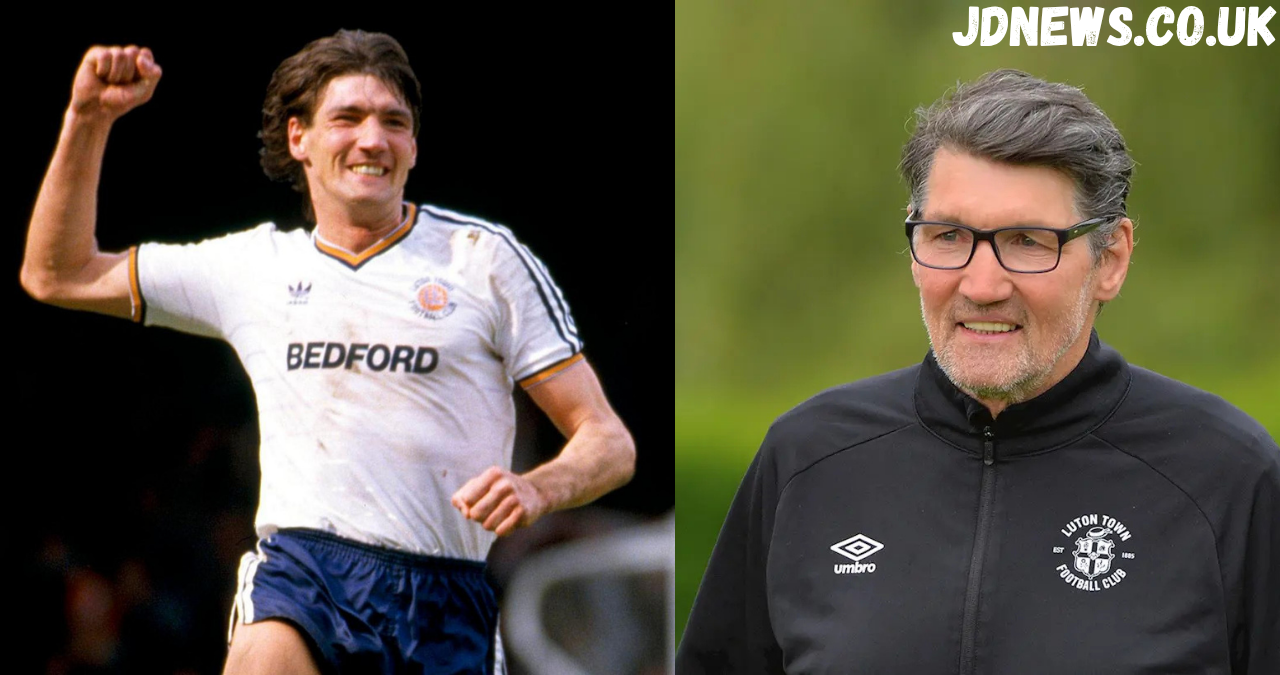
Mick Harford is a name that carries great respect in English football, especially among supporters who appreciate dedication, resilience, and leadership. Known for his powerful presence as a striker and later for his valuable work as a coach and manager, Harford built a career that reflects determination and loyalty to the sport. His football journey is not simply about goals and matches, but also about character, influence, and long-term commitment to the game.
Throughout his playing career, he became recognised for his physical style of play, strong aerial ability, and fearless attitude on the pitch. He represented several clubs during his career, but his connection with Luton Town remains the strongest and most memorable. Fans admired not only his performances but also his passion and honesty, qualities that made him a true football figure rather than just another player.
After retiring from active football, Harford successfully transitioned into coaching and management. Many former players struggle to adapt after leaving the pitch, but he found a new purpose in guiding teams and supporting younger players. His football intelligence and understanding of the game allowed him to continue contributing in meaningful ways.
Today, Mick Harford remains an inspiring example of how football careers can evolve while maintaining respect and influence. His story is one of persistence, hard work, and emotional connection with supporters, making him a lasting figure in English football history.
Early Life and Background
Mick Harford was born in England and developed a love for football from a young age. Like many boys growing up in football-loving communities, he spent much of his childhood playing the game in local streets, parks, and school grounds. Football was more than entertainment—it was a dream and a possible path toward something greater. His early years helped shape the competitive and determined personality that would later define his professional career.
Coming from a hardworking background, Harford learned the value of discipline and persistence early in life. These lessons became essential as he moved into youth football, where competition was intense and opportunities were limited. Young players had to prove themselves constantly, and Harford quickly showed the kind of physical strength and confidence that made coaches take notice.
His natural ability as a forward became clear during his youth development years. He possessed strong movement, excellent timing in the air, and a willingness to battle defenders without hesitation. These qualities made him stand out and created the foundation for his future as a centre-forward in professional football.
The transition from youth football to the professional game was not easy, but Harford approached it with determination. His early experiences taught him that talent alone was not enough. Hard work, mental strength, and consistency were equally important, and those values stayed with him throughout his entire football journey.
Mick Harford’s Playing Career
Mick Harford began his professional football career with ambition and hunger to succeed. Like many young players entering the professional world, he had to earn every opportunity. Early in his career, he worked hard to establish himself, learning the demands of senior football and adapting to the speed and intensity of competitive matches.
As a striker, Harford developed a reputation for being strong, direct, and difficult for defenders to handle. He was not known for flashy football, but rather for effectiveness. His physical style, aerial strength, and ability to hold up play made him a valuable asset for every team he played for. Managers appreciated players who could fight for every ball, and Harford became exactly that kind of dependable presence.
His rise to prominence came through consistent performances and important goals. Fans respected his commitment because he played with visible passion. He was the kind of forward who gave defenders a difficult afternoon and gave supporters confidence that he would fight until the final whistle. His style represented traditional English football at its strongest.
Across his playing years, Harford represented several clubs and created memorable moments that defined his reputation. Important goals, strong leadership, and his willingness to put the team first helped him remain respected throughout his career. He was never simply a squad player—he became someone clubs relied on during difficult moments.
Time at Luton Town
When discussing Mick Harford’s football legacy, Luton Town stands at the centre of the conversation. His relationship with the club is one of the strongest examples of loyalty and identity between a player and supporters. At Luton, he became more than a striker—he became a symbol of commitment and pride.
His performances for the club helped establish him as a fan favourite. Supporters admired the way he played with heart and determination. He was aggressive when needed, intelligent in attack, and always fully committed to the badge. This emotional connection between player and fans created a legacy that still exists today.
Luton Town benefited greatly from Harford’s leadership and consistency. His ability to influence games, score important goals, and inspire teammates made him a key figure during important seasons. He represented the fighting spirit that supporters wanted to see, and that emotional honesty created lasting admiration.
Even after his playing days, his connection with Luton Town remained strong. His later work with the club in coaching and management strengthened that bond even further. Few football figures achieve that level of long-term respect from one club, and Harford’s relationship with Luton Town remains one of the most important parts of his story.
International Recognition
Although Mick Harford is most strongly associated with club football, his reputation extended beyond domestic matches. His performances earned recognition across English football, and many respected him as one of the toughest and most reliable forwards of his era. He may not always dominate headlines, but within football circles, his value was widely understood.
His style of play suited the demands of English football perfectly. Strong centre-forwards were highly valued, and Harford represented that role with confidence. Coaches, defenders, and supporters recognised how difficult he was to play against, and that respect gave him national visibility beyond his club performances.
Discussions around higher honours and broader recognition often followed strong seasons. Even when opportunities at the very top were limited, his professional reputation remained strong. Football is often remembered through consistency rather than celebrity, and Harford’s career reflects that truth.
His influence also reached younger players who watched and learned from his example. He showed that success could come through hard work and commitment rather than glamour. That kind of professional respect often lasts longer than short-term fame, and Harford’s career proves exactly that.
Transition Into Management and Coaching
Retirement from playing can be difficult for many footballers, but Mick Harford found a natural path into coaching and management. His understanding of the game, leadership qualities, and strong personality made this transition both logical and successful. Football remained central to his life, only now from the touchline rather than the pitch.
Moving into management required a different kind of discipline. Coaching is not about personal performance—it is about helping others perform better. Harford adapted well because he understood player mentality and knew how to communicate honestly. His experience as a former striker also gave him credibility in the dressing room.
He took on managerial responsibilities with the same seriousness he showed as a player. His leadership style focused on effort, responsibility, and team unity. Players often respond well to managers who understand the emotional side of football, and Harford brought that human understanding into his work.
His coaching career also deepened his legacy at clubs where he had once played. Rather than disappearing after retirement, he remained part of football’s daily challenges and victories. This second chapter of his career proved that his value to the sport extended far beyond scoring goals.
Personal Life and Character
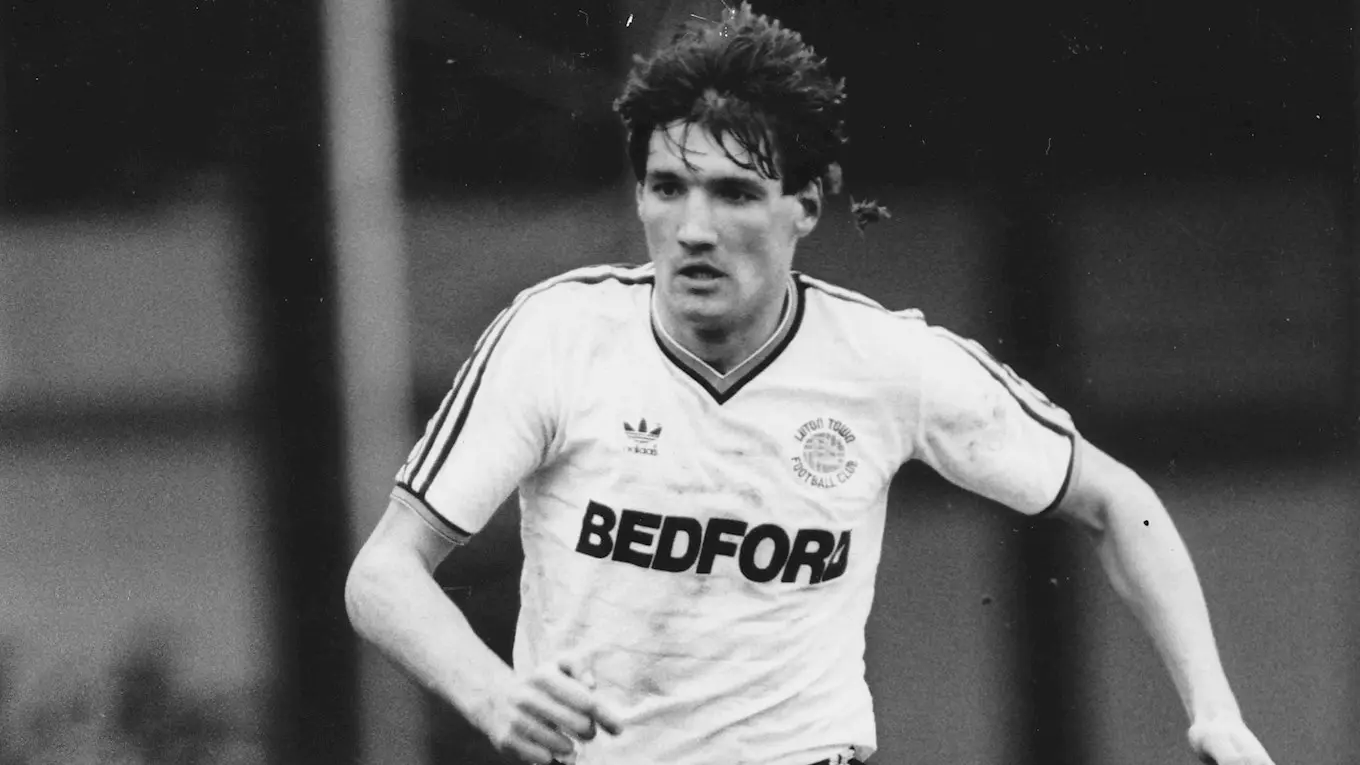
One reason Mick Harford remains respected is his reputation for honesty and professionalism. In football, personality matters just as much as performance, and Harford built trust through consistency and straightforward leadership. He was known as someone who valued hard work and expected the same from others.
Off the pitch, he maintained a grounded image. He was not associated with unnecessary drama or public distractions. Instead, he focused on football, relationships within clubs, and the responsibilities of leadership. This practical attitude strengthened his reputation among both supporters and colleagues.
Teammates and players often describe such figures as dependable and authentic. Harford’s character matched the style he showed on the field—direct, strong, and committed. These qualities made him someone people respected even when facing difficult football decisions or challenging seasons.
In a sport where public image can change quickly, lasting respect usually comes from genuine character. Harford’s long-standing reputation shows that people valued not just what he achieved, but how he achieved it. That personal integrity remains an important part of his football identity.
Health Challenges and Personal Strength
Like many people in demanding careers, Mick Harford faced serious personal health challenges. These moments tested not only his physical strength but also his mental resilience. Public support for him during difficult times showed how deeply respected he was across the football community.
Health battles often reveal the true character of a person, and Harford responded with courage and determination. His willingness to face challenges openly inspired many supporters who saw him not just as a football figure, but as someone showing real human strength. Football fans often build emotional connections through these shared moments of struggle and recovery.
The support he received from clubs, players, and fans reflected the deep relationships he had built over the years. Respect in football is earned over time, and during difficult periods, that respect becomes visible. Harford’s story reminded people that football is also about people, loyalty, and emotional connection.
His resilience during these personal challenges added another powerful chapter to his legacy. It showed that strength is not only measured through goals or victories, but also through the ability to keep moving forward when life becomes difficult.
Legacy in English Football
Mick Harford’s legacy in English football is built on more than statistics. It is built on trust, consistency, leadership, and connection with supporters. He represents the kind of football figure who may not always dominate media attention but remains unforgettable to those who understand the game deeply.
His impact at Luton Town alone would be enough to secure lasting admiration, but his broader contribution through coaching and management makes his story even stronger. He helped shape teams, support players, and maintain football values that are sometimes lost in the modern game.
Younger generations can learn from his example because his career proves that success does not always depend on fame. Dedication, professionalism, and loyalty create a stronger legacy than short-term attention. Harford’s football life reflects exactly that lesson.
Even today, his name continues to be associated with respect and admiration. For supporters, he represents a football era built on heart and effort. For the sport itself, he remains a reminder that true football icons are often defined by character as much as talent.
Conclusion
Mick Harford’s journey through English football is a story of determination, loyalty, and lasting influence. From his early days as a young striker to becoming a club legend and respected football manager, he built a career that reflects true commitment to the sport.
His strongest connection with Luton Town gave him a permanent place in football memory, while his work beyond playing proved that leadership can continue long after retirement. Supporters remember him not only for goals and performances, but for honesty, strength, and emotional connection.