

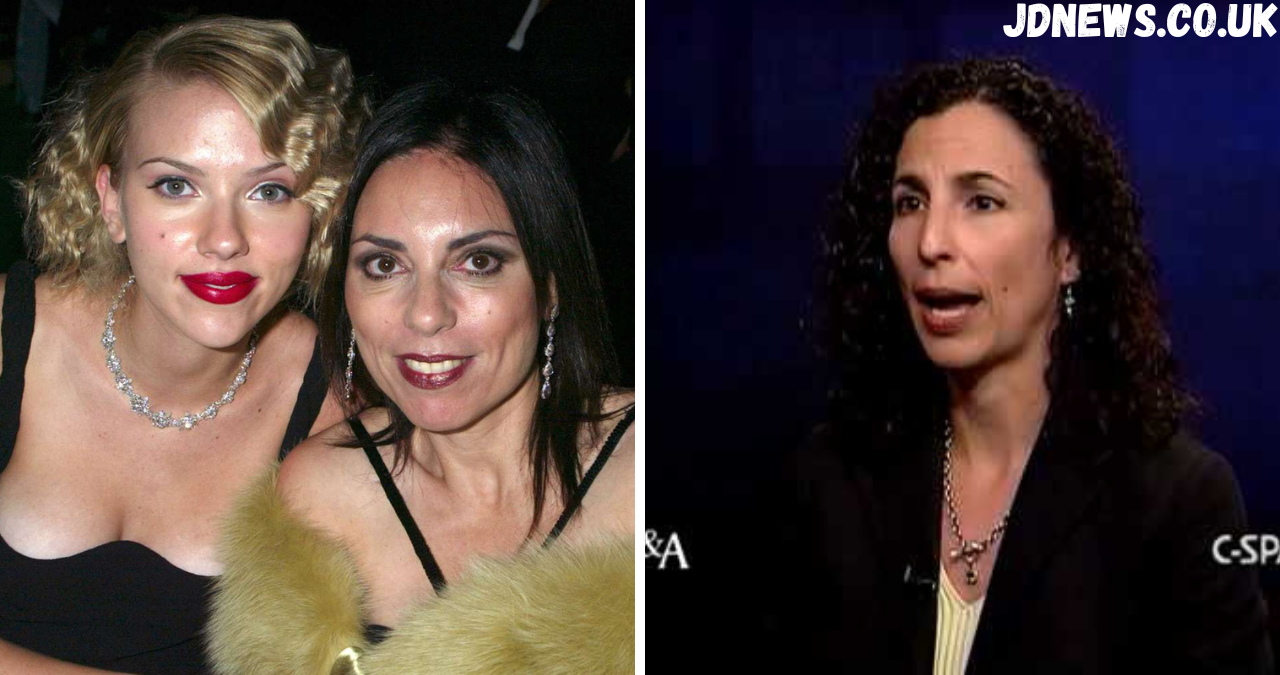
Melanie Sloan is a well-known American attorney and government ethics advocate recognized for her influential role in shaping modern political accountability efforts in the United States. She is widely regarded as one of the key figures behind the movement for transparency in government, particularly through her leadership in watchdog organizations focused on exposing corruption and unethical behavior in public office. Her career spans decades of legal practice, public service, and advocacy work that has consistently centered on strengthening ethical standards within the U.S. political system.
Sloan first gained prominence through her legal and governmental work, including serving as a federal prosecutor and later holding advisory and counsel roles in key congressional committees. These experiences gave her firsthand insight into the workings of the U.S. legal and legislative systems, which later influenced her approach to ethics reform. She became especially well-known after co-founding Citizens for Responsibility and Ethics in Washington (CREW), an organization dedicated to investigating government misconduct and promoting accountability in public institutions. Her leadership helped establish CREW as one of the most visible ethics watchdog groups in the country.
Over time, Sloan’s public profile expanded beyond legal circles into mainstream media, where she frequently appeared as a commentator on political scandals, government ethics issues, and legal controversies. Her outspoken style and willingness to challenge powerful political figures contributed to both her influence and the controversies surrounding her career. Whether praised or criticized, her work has left a lasting imprint on how ethics oversight is discussed and implemented in modern American governance.
Early Life, Education, and Legal Foundations
Melanie Sloan was born and raised in the United States, spending her early years in Washington, D.C., and Wilmington, Delaware. Her upbringing in politically and legally engaged environments played a significant role in shaping her interest in law and public service. Coming from a family connected to legal and governmental work, she was exposed early to the importance of justice, accountability, and institutional integrity. These formative influences helped set the stage for her future career in law and ethics advocacy.
Sloan pursued higher education at the University of Chicago, where she completed both her undergraduate studies and law degree. Her academic background in law provided her with a strong foundation in legal reasoning, constitutional principles, and criminal justice systems. During her time at university, she developed a deep interest in public policy and the legal frameworks that govern political conduct. This intellectual foundation later became central to her career as she moved into roles that required both legal expertise and policy analysis.
After completing her education, Sloan entered the legal profession and eventually served as an Assistant United States Attorney in the District of Columbia. In this role, she worked on federal criminal cases, gaining valuable courtroom experience and an understanding of prosecutorial responsibilities. She also held significant positions within congressional legal offices, including serving as counsel for the House Judiciary Committee and working on legislative matters involving criminal justice reform. These early professional experiences established her reputation as a skilled attorney with a strong focus on government accountability.
CREW and the Rise of a Government Ethics Watchdog
One of the most defining moments in Melanie Sloan’s career was the founding of Citizens for Responsibility and Ethics in Washington (CREW) in 2003. She co-founded the organization with the goal of creating a strong, independent watchdog group dedicated to exposing corruption and unethical behavior in government. CREW was established as a response to concerns about lack of accountability in Washington, and it quickly became known for its aggressive legal strategies and investigative work targeting public officials across the political spectrum.
Under Sloan’s leadership, CREW developed a reputation for filing ethics complaints, conducting investigations, and pursuing litigation against government officials suspected of misconduct. The organization also played a major role in publicizing political scandals and pushing for transparency in federal institutions. Its mission centered on reducing corruption, increasing accountability, and ensuring that elected officials adhered to ethical standards. CREW’s work often placed it at the center of high-profile political controversies, making it both influential and polarizing in Washington political circles.
Sloan’s leadership style was characterized by assertiveness and a willingness to challenge powerful political figures. She frequently emphasized that government transparency was essential for a functioning democracy and that watchdog organizations must act independently of political pressure. This approach helped CREW gain national attention and positioned Sloan as a leading voice in ethics reform. However, the organization’s strong advocacy stance also attracted criticism from opponents who questioned its neutrality and political alignment.
Legal Cases, Advocacy Work, and Media Presence
Throughout her career, Melanie Sloan has been involved in numerous legal cases and advocacy efforts focused on government accountability. One of her most notable areas of involvement included representing clients connected to major political investigations and legal disputes involving federal officials. Her legal work often intersected with high-profile controversies, especially those related to government transparency, national security, and political misconduct.
In addition to litigation, Sloan became a prominent media figure, frequently appearing on national news networks and public affairs programs. She provided legal analysis on issues ranging from political scandals to ethics investigations, making her a recognizable voice in American political commentary. Her ability to explain complex legal issues in accessible terms contributed to her reputation as an expert in government ethics and accountability.
Despite her influence, Sloan’s career was not without controversy. Critics sometimes questioned the motivations behind certain investigations and advocacy efforts, while supporters viewed her as a necessary force for oversight in a system vulnerable to abuse of power. She also faced public scrutiny related to specific allegations involving political interactions and ethics debates, though many of these claims were later disputed or not substantiated in formal investigations. Regardless of differing opinions, her visibility in the media reinforced her status as a central figure in discussions about political ethics in the United States.
Later Career, CREW Departure, and Continued Influence
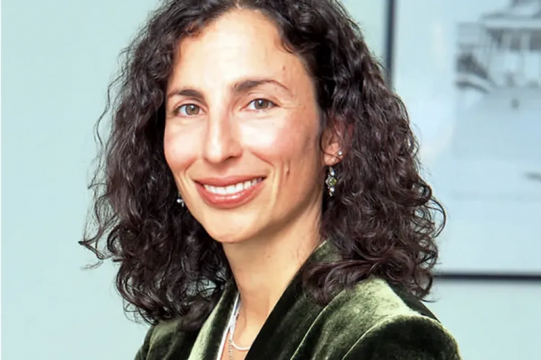
After more than a decade leading CREW, Melanie Sloan eventually stepped down from her position as executive director in 2014. Her departure marked the end of a significant chapter in the organization’s history, as CREW transitioned under new leadership while continuing its mission of government oversight. Following her exit, Sloan remained active in the field of ethics reform, taking on advisory roles and continuing her work in legal consulting and public policy.
She later became involved with American Oversight and other organizations focused on transparency and accountability in government. In addition, she founded a consulting firm where she provides strategic advice on crisis management, communications, and legal advocacy. These roles allowed her to continue influencing public discourse on ethics and governance, albeit in a less publicly visible capacity than during her CREW leadership years.
Sloan’s long-term impact on government ethics reform remains significant. Her work helped shape how watchdog organizations operate and influenced how political accountability is discussed in modern American politics. Even after leaving CREW, she continues to be recognized as a key figure in the ethics reform movement, with her career serving as an example of how legal expertise can be applied to public interest advocacy.
Conclusion
Melanie Sloan’s career reflects a deep commitment to promoting ethics, transparency, and accountability within the U.S. political system. From her early legal work as a federal prosecutor to her leadership of one of Washington’s most prominent watchdog organizations, she has played a central role in shaping how government conduct is scrutinized and challenged. Her influence extends beyond legal advocacy into broader public awareness of corruption and ethical responsibility in governance.
While her career has included both praise and criticism, her impact on the field of government ethics is undeniable. She helped build institutions that continue to investigate misconduct and push for transparency in public office. Today, her legacy remains closely tied to the ongoing debate about accountability in American politics and the role of independent watchdog groups in maintaining democratic integrity.
FAQs on Melanie Sloan (Government Ethics Expert)
1. Who is Melanie Sloan in U.S. government ethics?
Melanie Sloan is a U.S. attorney and ethics advocate known for founding CREW, a watchdog organization focused on government accountability and political transparency.
2. What is Melanie Sloan best known for?
She is best known for her leadership of Citizens for Responsibility and Ethics in Washington (CREW), where she worked on exposing political corruption and ethics violations.
3. What is Melanie Sloan’s role in CREW?
She co-founded CREW in 2003 and served as its executive director, shaping its mission of investigating government misconduct.
4. What is Melanie Sloan’s educational background?
She studied at the University of Chicago, where she earned both her undergraduate degree and law degree.
5. What is Melanie Sloan doing now?
She continues to work in legal consulting and advisory roles focused on government ethics, transparency, and crisis management.