


The word piçada is one of those Portuguese terms that often creates confusion because it appears in multiple contexts, carries different interpretations, and is frequently mixed up with similar-looking words like picada and pisada. In modern digital searches, it shows up in slang explanations, culinary discussions, and even geographical references, making it difficult for learners to pin down a single meaning. This ambiguity is exactly why piçada meaning has become a popular search query among students, travelers, and language enthusiasts trying to understand authentic Portuguese usage.
At its core, piçada is most commonly recognized in European Portuguese as an informal slang term referring to a harsh reprimand or scolding. However, depending on regional usage and context, the word can take on broader or misunderstood meanings. This flexibility of interpretation is what makes it both interesting and confusing at the same time. Linguistic sources consistently emphasize that it belongs to colloquial speech rather than formal writing, meaning it is used more in spoken conversations than in official communication.
Another major reason for confusion is the overlap with picada, a separate word that has multiple meanings including sting, bite, trail, or even culinary references. Because the pronunciation is similar, search engines often mix both terms together, leading to misleading interpretations. As noted in linguistic references, picada alone can refer to a “prick, bite, or narrow path,” depending on context . This overlap makes understanding piçada even more important for accurate communication.
Ultimately, learning what piçada truly means requires looking beyond translation and focusing on cultural and contextual usage. Language is not just vocabulary—it is behavior, tone, and regional identity, all of which play a role in shaping how this word is used in real life.
2. Piçada Meaning in Portuguese Language: Core Definition and Usage
In European Portuguese, piçada is primarily understood as an informal noun that describes a strong verbal reprimand, scolding, or sharp correction. It is not a neutral word; instead, it carries emotional weight and is typically used when someone receives a serious telling-off. Linguistic sources describe it as equivalent to terms like “repreensão” or “descompostura,” highlighting its role as an expressive and sometimes intense form of communication .
In everyday usage, the word appears in conversational phrases such as “levar uma piçada”, which translates to “to get scolded” or “to be told off.” This expression is common in informal speech, especially when describing interactions between authority figures and subordinates, such as a boss correcting an employee or a teacher disciplining a student. However, it can also be used humorously among friends, depending on tone and relationship dynamics.
The intensity of piçada depends heavily on context. In some cases, it refers to a serious reprimand where someone is genuinely corrected for a mistake. In other situations, it may simply describe a playful or exaggerated form of criticism between friends. This flexibility allows the word to function both as a serious and lighthearted expression, making it dynamic in spoken language.
Importantly, piçada is not considered formal vocabulary. It rarely appears in academic writing, legal documents, or professional communication. Instead, it belongs to everyday slang and oral tradition, where emotional expression and conversational tone matter more than strict grammatical formality. This is why learners are often advised to use it carefully and only in appropriate social settings.
3. Piçada vs Picada vs Pisada: Understanding the Key Differences
One of the biggest sources of confusion around piçada comes from its similarity to other Portuguese and Spanish-influenced terms, especially picada and pisada. While they look similar, each word carries completely different meanings, and mixing them can lead to misunderstandings.
The word picada is far more widely documented and has multiple meanings depending on region and context. It can refer to a sting, bite, prick, or even a narrow forest trail or path. In some cases, it is also used in culinary or colloquial expressions depending on the country. Linguistic dictionaries define picada as anything from an insect bite to a small wound or even a rural path through vegetation . This wide range of meanings is why it frequently appears in travel, medical, and food-related contexts.
On the other hand, pisada refers to a footstep or footprint, derived from the verb “pisar,” meaning to step on or tread. It is used in both literal and figurative contexts, such as describing pressure, impact, or even emotional “weight” in storytelling.
By contrast, piçada is much more restricted in usage and is mainly tied to slang meaning—specifically reprimand or scolding. Unlike picada, it is not commonly used in scientific, culinary, or geographical contexts. The confusion arises because online search results often blend these words together, especially in multilingual content.
Understanding these distinctions is essential for learners, because using the wrong term can completely change the meaning of a sentence. In Portuguese, small spelling differences often lead to entirely different interpretations.
4. Regional Variations and Cultural Context of Piçada
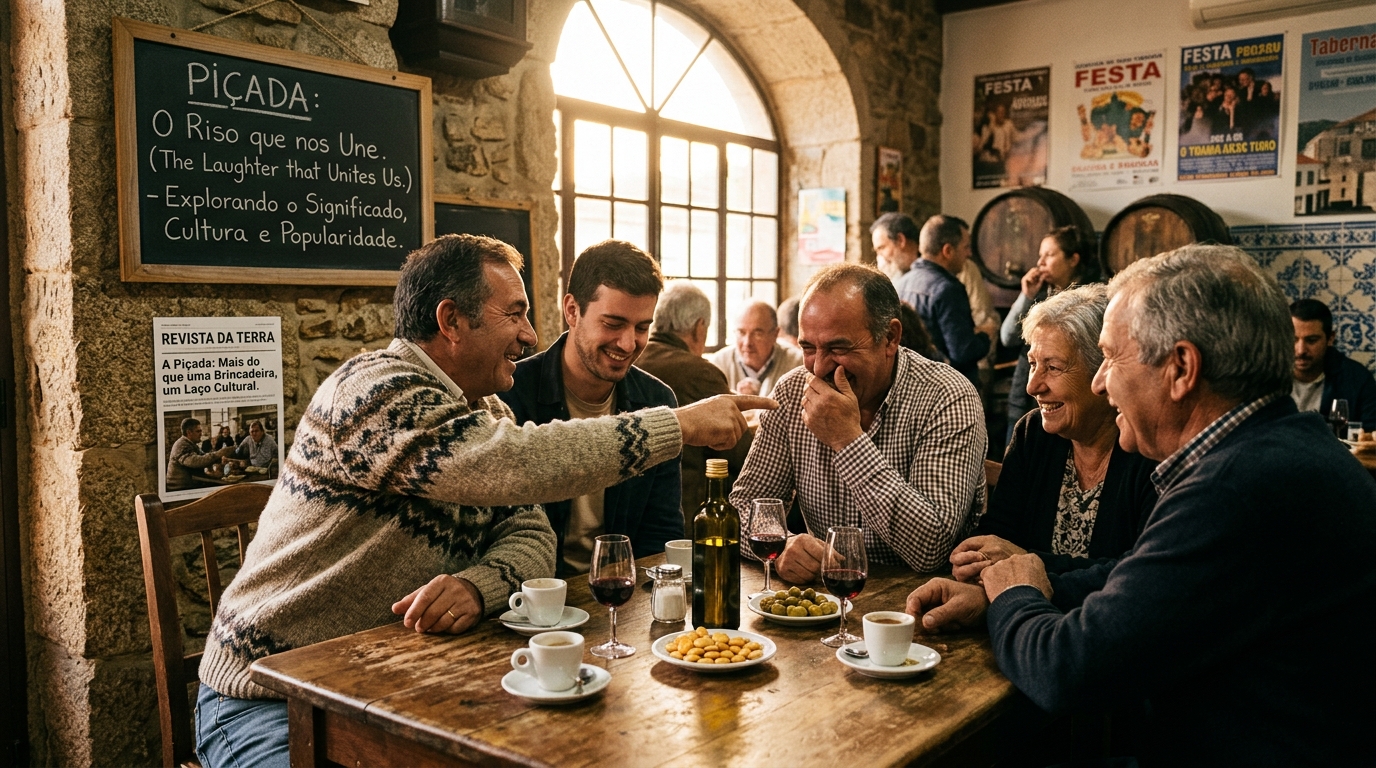
The meaning and usage of piçada can shift depending on the region where it is used. In Portugal, it is more commonly recognized as slang for a reprimand, while in Brazil and other Portuguese-speaking regions, its usage may be less frequent or replaced by alternative expressions. This regional variation is typical in Portuguese, where vocabulary often evolves differently across continents.
In informal speech, piçada reflects cultural attitudes toward authority and communication style. In some contexts, it represents strict discipline, especially in traditional environments like schools or workplaces. In others, it becomes part of humorous storytelling, where people exaggerate how they were “scolded” in a dramatic or comedic way.
Modern digital communication has also influenced how the word is used. On social media platforms, slang terms like piçada often appear in memes, jokes, and casual commentary. This online usage tends to soften its original intensity, turning it into a more playful expression rather than a strictly negative one.
Culturally, the word also highlights how language carries emotional expression. Instead of simply saying someone was corrected, piçada adds tone, attitude, and intensity. This makes it a powerful linguistic tool in spoken Portuguese, even though it remains informal and context-dependent.
5. Conclusion
The word piçada is a perfect example of how language evolves beyond dictionary definitions. While its primary meaning in Portuguese refers to a strong verbal reprimand or scolding, its interpretation depends heavily on context, tone, and region. It is informal, expressive, and deeply rooted in conversational speech, making it more of a cultural expression than a strictly grammatical term.